
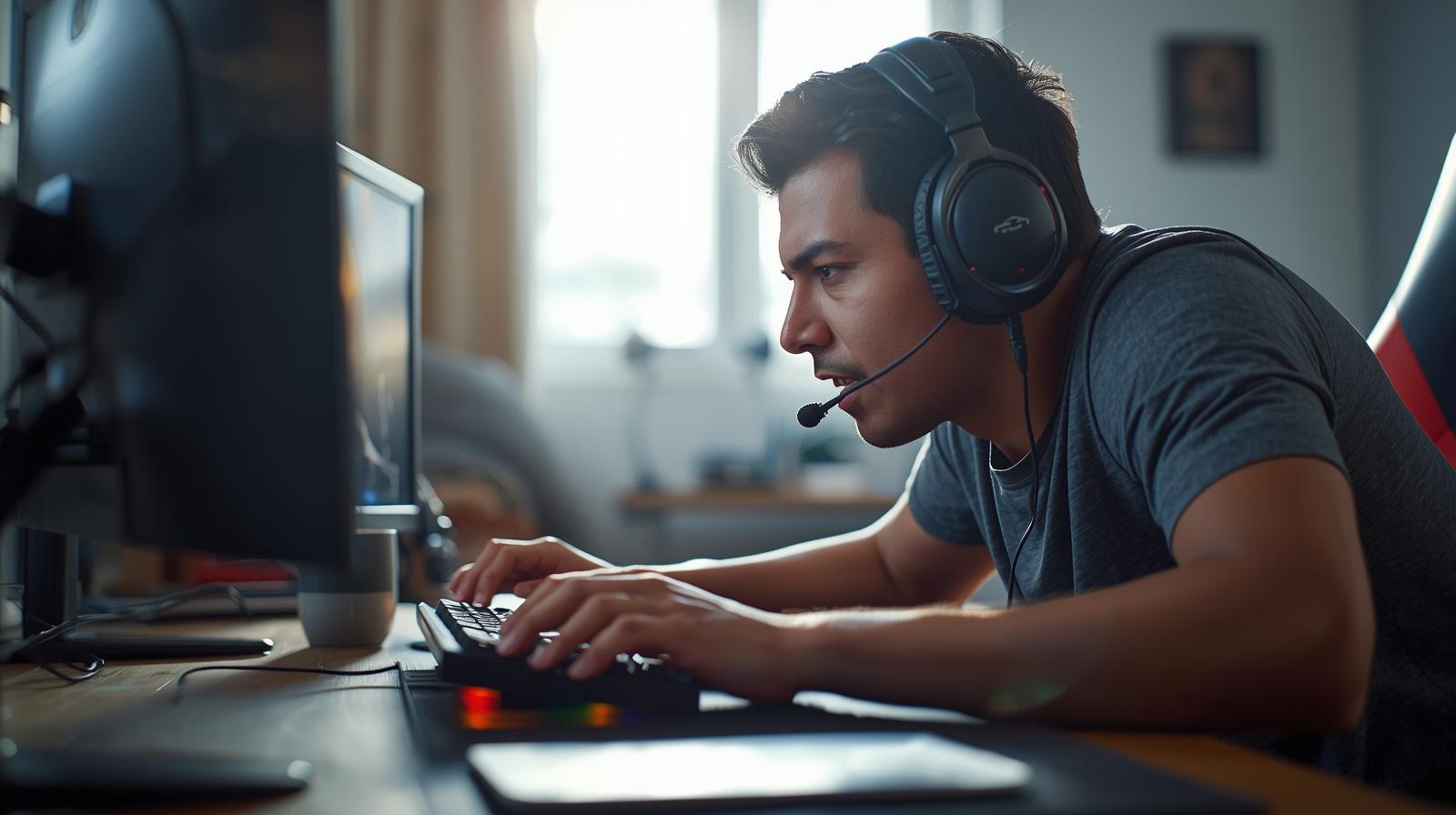
There are many facets that shape competitive video gaming. Certainly powerful hardware, clever coding, and frequent software updates matter, but in the middle of a tense match those things provide little comfort.
Winning is rarely about graphics, clean code, or cutting-edge hardware. Victories usually come from practice, teamwork, and a deep understanding of both the game and the opponents.
This becomes clear when players turn to match assistance, something that has become particularly visible in communities around games like Counter-Strike 2. In some cases this appears through CS2 boosting services, where experienced players join or guide matches to help someone climb the ranks.
At first it sounds purely transactional, maybe even mechanical. Yet the practice reveals something interesting about modern gaming. Even though the systems behind the game are built on algorithms and ranking formulas, improvement often still depends on human judgment and communication.
I once watched a friend struggle through several rounds of a tactical shooter. His aim was fine, but the pressure pushed him into rushed decisions that hurt the team.
One of his more experienced teammates calmly said, “Don’t rush the angle. Wait two seconds.” It sounded minor, almost obvious. But my friend paused, held the corner, and secured the elimination that turned the round.
Moments like that help explain why players sometimes seek guidance from higher-ranked teammates or boosting partners in competitive games like CS2. The arena is built by technology, but the decisions that win rounds are often shaped by experience shared between players.
Algorithms Shape the Arena, Players Define the Result
Modern games are technical marvels. Sophisticated matchmaking systems pair players based on skill ratings and behavioral metrics. Servers coordinate thousands of actions at once, creating fast and responsive digital battlefields where every decision matters.
Technology forms the structure, but instinct and experience often decide the outcome.
Over time, developers have added tools designed to help players improve: replay systems, coaching tools, and practice modes that allow people to analyze their own gameplay. These features are valuable, but they ultimately encourage something deeper: players learning from one another.
Professional esports players often say the same thing. Mechanics matter, but understanding the rhythm of a match and how a team moves together matters far more. That awareness rarely comes from software alone. It grows through collaboration and shared experience.
Many cultural changes in gaming come from technology, but the spread of knowledge between players might be the most powerful change of all.
As games evolve, one surprising trend appears again and again. Instead of players becoming more machine-like, they are becoming more collaborative.
Developers recognize this as well. Communities, guides, and player discussions often shape the way a game grows after release. The tools developers build are not just meant to run the game but to help players share strategies and teach each other.
At a recent industry event, someone mentioned a curious topic: why developers sometimes scrape emails from YouTube to contact streamers and content creators.
The reasoning was straightforward. Those creators often become the best teachers of a game. Reaching them means reaching the culture that forms around the technology.
In many ways, the technology builds the stage. The community gives the game its voice.
Technology Evolves Alongside Humanity
Gaming innovation is often measured through graphics engines, hardware upgrades, or artificial intelligence. Yet the most meaningful advances often appear in how players interact with each other inside those systems.
Competitive games are more than reflex challenges. They create environments where people teach one another, adapt as a team, and occasionally discover abilities they didn’t know they had.
And perhaps the most surprising truth is this:
The strongest technology in competitive gaming might still be the human connection behind the screen.

